The Impact of Hurricane Melissa on Jamaica: A Call for Support
- riseagainjamaica
- Feb 10
- 3 min read
Updated: Mar 8
Immediate Effects on Communities
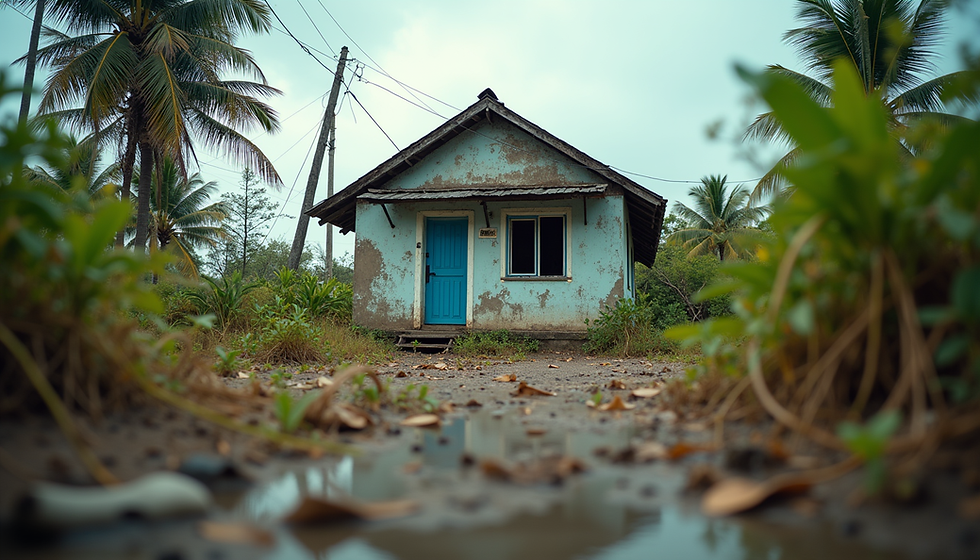
When Hurricane Melissa made landfall, many communities experienced severe flooding and wind damage. Homes, especially those in low-lying and coastal areas, suffered roof damage, collapsed walls, and water intrusion. Families were forced to evacuate, seeking shelter in emergency centers or with relatives.
In rural areas, where housing structures are often less resilient, the damage was particularly severe. For example, in the parish of St. Thomas, entire villages were cut off by flooded roads and landslides. Residents reported losing personal belongings, food supplies, and livestock, which are vital for their livelihoods.
Schools and healthcare facilities also faced disruptions. Several schools were closed due to structural damage or being used as temporary shelters. Health clinics struggled with power outages and limited access, complicating care for those injured or ill during the storm.
Damage to Infrastructure
The hurricane caused widespread damage to Jamaica’s infrastructure. Roads and bridges were washed out or blocked by debris, making transportation and emergency response difficult. Power lines were downed, leading to prolonged blackouts in many areas.
Water supply systems were contaminated or damaged, raising concerns about access to clean drinking water. This posed a health risk, especially in communities already vulnerable to waterborne diseases.
Communication networks were disrupted, limiting the ability of authorities to coordinate relief efforts and residents to contact loved ones. The damage to infrastructure has slowed recovery and increased the burden on local governments.
Environmental Impact
The environment suffered significant harm from Hurricane Melissa. Coastal erosion accelerated as storm surges battered beaches and mangroves. These natural barriers are crucial for protecting inland areas from future storms.
Forests experienced tree loss and landslides, affecting biodiversity and increasing the risk of soil erosion. Agricultural lands were flooded or covered in debris, damaging crops and threatening food security for many families.
The storm also caused pollution in rivers and coastal waters, with debris and chemicals from damaged buildings and vehicles washing into natural habitats. This contamination affects marine life and fishing communities that depend on healthy ecosystems.
Ongoing Challenges for Residents and Authorities
Recovery from Hurricane Melissa is a slow and difficult process. Many families remain displaced, living in temporary shelters or with relatives. The loss of homes and possessions has left them vulnerable and uncertain about the future.
Local authorities face the challenge of restoring essential services while managing limited resources. Repairing roads, power lines, and water systems requires funding and skilled labor, both of which are in short supply.
Emergency services continue to deal with health risks, including injuries from debris and the spread of diseases due to poor sanitation. Mental health support is also critical, as many residents cope with trauma and loss.
Coordination between government agencies, non-profits, and international aid organizations is ongoing but complicated by damaged communication networks and logistical hurdles.
Types of Assistance Still Needed
Despite initial relief efforts, Jamaica still needs significant support to fully recover from Hurricane Melissa. Key areas where assistance is required include:
Financial support to help families rebuild homes and replace lost belongings.
Supplies such as clean water, food, medical kits, and building materials.
Volunteer efforts to assist with debris removal, construction, and community support programs.
Technical expertise for infrastructure repair and environmental restoration.
Mental health services to provide counseling and support for affected individuals.
Donations and volunteer programs organized by local and international groups remain critical. Long-term recovery will depend on sustained support and investment.
Personal Stories from Those Affected
Maria, a mother of three from Port Antonio, shared her experience:
"When the winds started, we rushed to the shelter with only what we could carry. Our home was flooded, and we lost everything. It’s hard to imagine starting over, but the community is coming together to help each other."
John, a farmer in St. Thomas, described the impact on his livelihood:
"The floodwaters destroyed my crops and washed away the fences. Without the harvest, my family has no income. We need help to plant again and repair the land."
These stories highlight the human side of the disaster and the resilience of Jamaican communities facing hardship.
The Path to Recovery
As we look towards the future, it is vital to remember that recovery is not just about rebuilding structures. It is about restoring hope and resilience within communities. Each small step taken today can lead to a brighter tomorrow.
We must come together to support those affected by Hurricane Melissa. By providing assistance, we can help families rebuild their lives and restore their communities. Let’s stand in solidarity with those who need it most.
In conclusion, the journey of recovery is long and challenging, but with collective effort, we can make a significant difference. Together, we can help Jamaica rise again and emerge stronger than before.
For more information on how to help, please visit Rise Again Jamaica.

Comments